By: SPARK_COACH_JEN,
SparkPeople Blogger
5/28/2020 12:00:00 AM
: 213 comments
: 596,813 views
That walking trail at the local park has been calling your name since you moved into your house, and your co-workers have already told you how much they love their weekly walking group. You know the benefits and you know you'll love it if you could just get started—but you're not sure exactly how to do that. Walking is the perfect form of physical activity for many reasons, and the fact that it's accessible to almost everyone is at the top of our list. Whether you're just getting started or want to take your race walking to the next level, it can be a challenging activity for any fitness level when done right. But it's not just as simple as putting one foot in front of the other. To get a proper workout from walking, there are three important questions you'll want to answer before you tie up your sneakers.
Read More ›
|
By: SPARK_COACH_JEN,
SparkPeople Blogger
5/7/2020 12:00:00 AM
: 190 comments
: 101,347 views
One foot in front of the other. On the surface, running seems like a simple activity. In reality, though, it's not that easy. Without the proper footwear, clothing, warm-up and training, you risk injury, and frankly, a miserable experience. The right gear and plan can make running a positive addition to any workout routine—just don't repeat the same mistakes many runners, both new and experienced, often make.
Read More ›
|
By: SPARK_COACH_JEN,
SparkPeople Blogger
2/24/2020 12:00:00 AM
: 144 comments
: 91,400 views
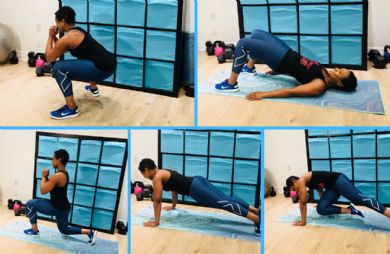
Stretching is stretching, right? Not according to people who swear by foam rolling. The foam roller is a simple, inexpensive tool that can be used in a variety of ways to enhance your exercise routine. Whether you're looking for a new way to warm up before a workout or you need to stretch tight muscles, reduce soreness and recover quicker, the foam roller can help. Used as a form of self-myofascial release, foam rollers can help reduce muscle tension while also increasing flexibility. If you're a beginner and have any injuries or chronic conditions (such as fibromyalgia), make sure you get clearance from your doctor before starting a regular foam rolling routine. Take things slowly if you're new to the foam roller because the process can be uncomfortable, especially if muscles are tight. Start with shorter sessions and move gently through each exercise. It shouldn’t feel comfortable when you’re rolling, but also shouldn’t feel painful. Mild discomfort with steady pressure is usually appropriate. Luckily, you don't need to carve out lots of extra time for foam rolling. Using the foam roller for just 10 minutes, two to three times per week will improve range of motion and reduce post-workout muscle soreness. Get started with these five exercises that are guaranteed to hit your muscles in all the right places. CalvesSit tall on the floor with legs out in front of you, left ankle crossed over the right and toes pointed up toward the ceiling. Place the foam roller under your right ankle and place palms on the floor at your sides, lifting your backside off the ground. Roll your right calf from ankle to knee three to five times. Repeat with toes pointed inward, then toes pointed out before switching to the other leg. HamstringsSit tall with legs out in front of you and the roller under one knee. Bend the other knee with the foot flat on the floor. Put palms on the floor at your sides and press down to lift your backside off the ground. Slowly roll out along your hamstring until it reaches the bottom of your glute, then roll back in until it reaches your knee. Repeat seven to 10 times, then switch legs. BackLay on the floor with knees bent, feet flat on the floor and the roller behind your upper back. Lightly rest your hands behind your head for support and push with your feet to roll from your neck to the middle of your back. Repeat seven to 10 times. QuadsLie face down with the roller positioned perpendicular just above the knees on the quads with toes on the ground. With your bodyweight on your forearms, slowly push back until the roller reaches your hips. Then push forward until the roller reaches the starting position just above the knees. Repeat seven to 10 times. Shoulders Lie on your side with knees bent and the roller under your right shoulder. The right arm can be extended slightly to help guide the movement properly. Slowly roll up and down along your deltoid muscle using a small range of motion. Repeat seven to 10 times, then switch sides.
|
By: SPARK_MRUDY,
SparkPeople Blogger
8/19/2019 2:00:00 PM
: 148 comments
: 113,643 views
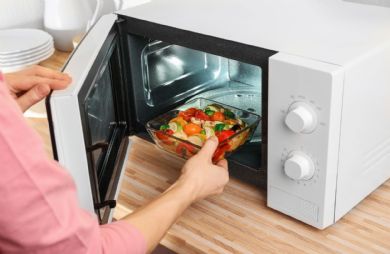
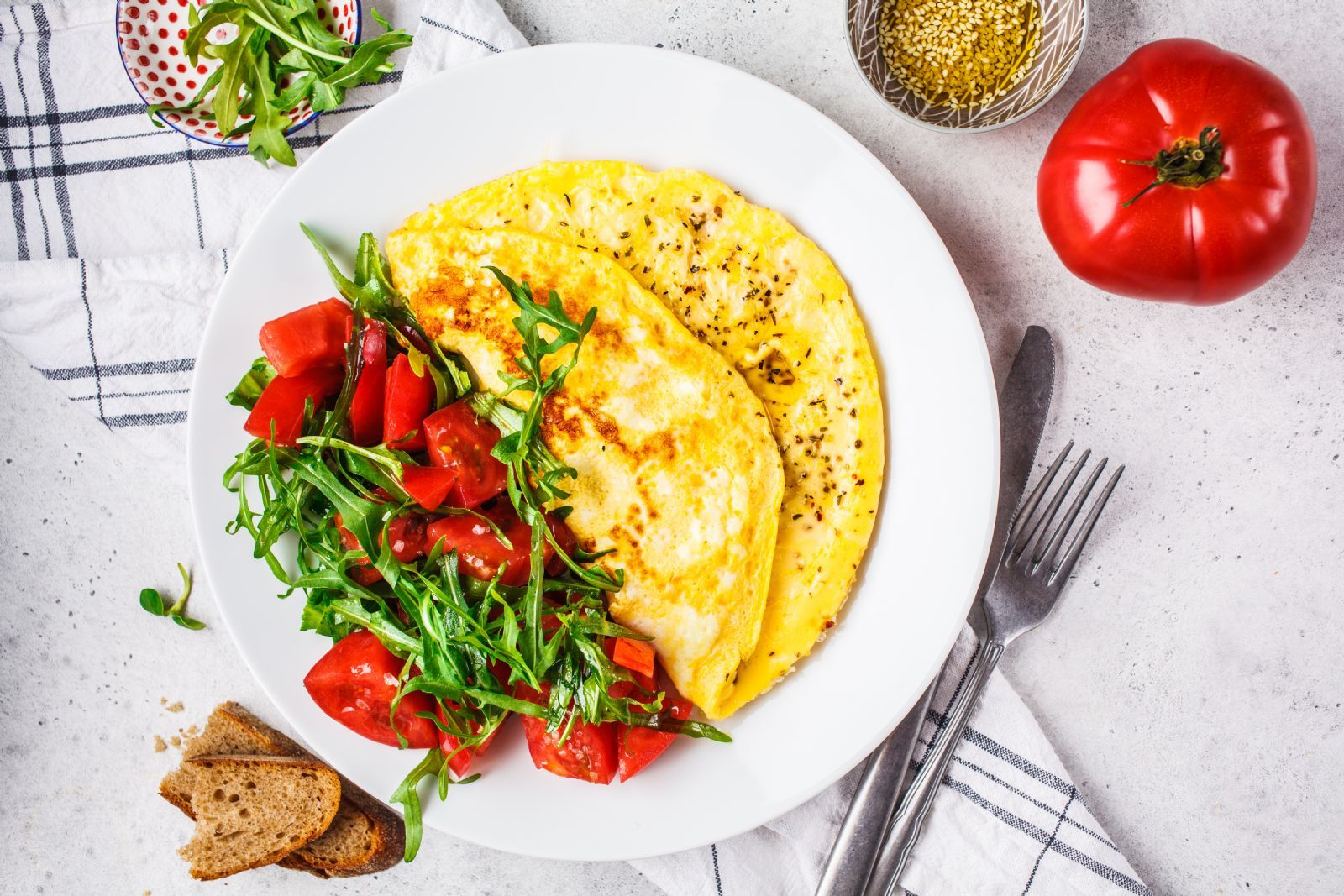
The workday ended up turning into more of a work-all-day, you haven’t had a chance to hit the grocery store yet this week and the pantry isn’t looking too promising—but you’ve got a houseful of hungry people wondering what’s for dinner. Before surrendering to the DoorDash app, take another look at your inventory and consider bending the mealtime rules a bit. You might not have the makings of a traditional dinner on hand, but you probably have the ingredients to whip together one of the most magical concepts in meal planning history: breakfast for dinner. In addition to the high deliciousness factor, enjoying a morning meal in the evening also can be a real time-saver. Many breakfast foods can be whipped together in just 10 to 15 minutes, notes Toby Amidor, M.S., R.D., C.D.N., FAND, nutrition expert and author of " The Healthy Meal Prep Cookbook." “Having breakfast for dinner helps break up the monotony of dinner and also makes eating fun,” she notes. “You can find breakfast recipes to enjoy for dinner that are quick and easy. You can even meal-prep some recipes like a vegetable quiche or a Mexican egg wrap.” Health coach Liza Baker adds that having breakfast for dinner can be a great way to use up any leftovers you might have on hand. “If you consistently make extra of everything you cook, you'll end up with a plethora of ingredients you can call on to whip up breakfast for dinner at least one night a week,” she says. 11 Nutrient-Rich Breakfast ChoicesOf course, not all breakfast items make wise dinner choices. Registered dietitian Summer Yule recommends skipping the foods that are highest in refined flour and added sugar, such as many cold cereals, muffins and toaster pastries. Instead, opt for these healthier, nutrient-rich options: - Eggs are packed with filling protein and contain very few calories (only 70 per large egg). “Making an omelet with cheese and veggies covers additional food groups and could not be easier,” Yule says. “And if you use chopped, frozen veggies to make your omelet, you don't even have to do any cutting.”
- Yule likes to think of plain, unsweetened oatmeal as a canvas for nutrient-rich fruits, nuts and seeds. “Plain, unsweetened oatmeal is one of the best cereal options, since it is a whole grain with no added sugar,” she points out. Plus, it contains soluble fiber that promotes healthy cholesterol levels.
- Yule says that plain (unsweetened) Greek yogurt is packed with protein, calcium and beneficial probiotics. “If you don't like plain yogurt, try the lower-sugar varieties (Chobani is one brand that offers lower sugar yogurt),” she suggests. And Amidor recommends topping Greek yogurt with nuts and fruit.
- Baker recommends cooking up a healthy hash for dinner. In a skillet with butter or olive oil, sauté finely chopped onions, peppers and any other raw veggies you like. Add leftover cooked potatoes, a cooked protein and cooked veggies. Stir until heated through, add salt and pepper to taste and serve with eggs any style (or not).
- Smoked salmon is one of Yule’s favorite ways to get some important omega-3s. She recommends preparing a whole-grain bagel with cream cheese and smoked salmon, which covers several food groups. “Consider adding some slices of tomato, cucumber or roasted red pepper to get some produce into the mix,” she suggests.
- Regardless of what you’re preparing, Baker says it’s always good to include some type of veggie or fruit. “Most American breakfast foods provide plenty (or too much) protein, fat and carbs,” she warned. “Your goal is to include some micronutrients from fruits and veggies to help those macronutrients do their best work in your body.”
- Protein shakes and smoothies can work well as a dinner option, especially if you’re looking for something light, slightly sweet and different, notes registered dietitian Ilana Muhlstein.
- Prepare a crustless quiche (or frittata) using any veggies, meats, beans, cheese and herbs you have on hand, Baker suggests. “Leftovers go in easily!”
- Fritters are another of Baker’s breakfast-for-dinner go-tos. To make them, combine two cups of cooked, leftover grains and finely chopped vegetables with one egg and one to two tablespoons of flour, plus salt and pepper to taste. Cook as you would pancakes on a griddle with a little olive oil, butter, ghee or coconut oil. Serve with eggs any style or with apple (or other fruit) sauce or a little sour cream.
- Amidor loves to prepare shakshuka for dinner, which can be ready in less than 30 minutes. She serves it with her Israeli style salad and crusty whole-grain bread.
- Not only are breakfast foods quick, easy and budget-friendly, they can also be filling and nutritious when you choose the right foods.
|
By: SPARK_MRUDY,
SparkPeople Blogger
5/30/2019 12:00:00 AM
: 289 comments
: 98,759 views
When you hear the term “spring cleaning,” you might think of finally tackling that overflowing junk drawer, purging the pantry of anything past its prime or spending some quality time with the neglected baseboards. But the season of renewal doesn’t have to be limited to conquering clutter and fighting filth. It’s also an opportune time to refresh any daily routines, habits or choices that might not be benefiting your physical, mental or emotional wellness.
Not sure where to start? Here are just some of the ways you might be able to purge stressful or toxic elements from your life for a healthier, happier and more productive spring. - Streamline your subscriptions. In our automated world, it’s easy for subscriptions to pile up, often without us even knowing about it. Unsubscribe from any emails, physical catalogs, digital content or anything else that you no longer find relevant, useful or enjoyable.
- Clean your social media house. Take some time to go through your friends or followers on your social media accounts, and remove, hide or unfollow any that seem to foster negativity or that don’t inform, entertain or inspire you.
- Check your attitude barometer. A few times a day, check in with yourself—perhaps first thing in the morning, at the mid-day mark and in the evening—and evaluate the attitude you are embracing. If it’s drifting toward negativity, make a conscious choice to shift to a more positive outlook.
- De-clutter your digital life. It might not be visible like physical dirt and debris, but clutter on your computer, smartphone or other devices can still weigh you down. Lighten your virtual load by purging and reorganizing your hard drive or cloud storage.
- Set a new fitness challenge. Even if exercise is already part of your daily life, it’s a good idea to shake up your routine now and then to force yourself out of your comfort zone. Maybe that means registering for a race, pushing for a longer distance or faster speed, or enrolling in a class you’ve been wanting to try.
- Do a good, old-fashioned closet purge. Get rid of anything you haven’t worn in the past year—including any clothes you’ve been clinging to for way too long in hopes that you’ll be able to wear them again. Keep only those items that are comfortable and flattering.
- Fix it or forget it. You know those broken items you've been hanging onto with the best of repair intentions? From flat bicycle tires to busted lamps to wobbly tables, phsyical disrepair can trigger feelings of stress and anxiety. Take steps to restore the items or release them from your life so you can start fresh.
- Find your inner zen. While it’s not possible to remove all sources of stress, healthy coping mechanisms can make it easier to manage. Try introducing meditation, mindfulness, yoga, stretching, relaxing bubble baths or whatever practice brings more calm and serenity to your life.
- Embrace a new hobby. Whatever it is you’ve been wanting to try—pottery-making, aerial yoga, poetry writing, bouquet-making—take the first step toward giving it a go. You just might discover a new passion in life, which can also serve as a major de-stressor and source of motivation.
- Do a diet analysis. What are you eating that fuels and nourishes you? Conversely, what poor choices are having no benefit (or detracting from your health)? It might be a good idea to consult with a registered dietitian or nutritionist who can evaluate your food intake and recommend a varied meal plan with the right mix of nutrients.
|
By: DAILYSPARKGUEST,
– Laura Fischer, M.S.
5/29/2019 12:00:00 AM
: 166 comments
: 238,560 views
Peanut butter versus almond butter. Yoga versus Pilates. Treadmill versus trail running. There are many debates in the world of health and fitness, but the question I'm asked more than most others is this: aerobic exercises or strength training? When first meeting with clients it is not uncommon to hear that they either only do cardiovascular workouts or only do strength training, typically believing that one is superior to the other. There is often a fear to venture into the unknown or a simple belief that it is unnecessary, and in this time-crunched world, who can fit both in anyway? At one point in my life, I thought similarly. I am a longtime runner and, I hate to admit it, but there were a few years when running was my only form of exercise. I thought my miles logged week after week were all I needed to maintain or improve health. Through education, personal experience and peer-reviewed articles, I have come to find the fault in my prior thinking. The main takeaway? Cardio should not rule all. Yes, it is necessary and offers numerous health benefits, but alone, it is not the complete answer to lifelong health.
Read More ›
|
‹ Back |
Read More Entries ›
|
|


























.jpg)