|
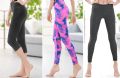
Exercise is essential to keeping your body healthy. But you don’t want to leave a trail of empty plastic water bottles, torn polyester running shorts and dead batteries in your wake. Help improve the health of the earth while you’re improving your own health by choosing environmentally-friendly fitness gear. Here are some tips to get you started. Shoes. These days it’s pretty easy to find environmentally-friendly shoes. Most footwear manufacturers have stopped using the environmental burden known as PVC (polyvinyl chloride) in their products. To further reduce the environmental impact of your sneakers, look for shoes made with recycled rubber outsoles. And choose shoes from companies like Montrail, which have taken a back-to-basics approach to the packaging of their footwear. All you’ll find inside the unbleached recycled cardboard box is the shoes. Socks. Socks are a different story. Most socks are made from a combination of bleached, conventionally-grown cotton and synthetic fibers sourced from non-renewable resources. There are alternatives, but you’ll probably have to order them online. A company called Teko sells socks made from eco-friendly materials like wool, organic cotton and fibers made from corn. Clothing. After you outfit your feet, you’ll need to outfit the rest of your body. As demand has grown for green clothing options, selection has expanded, making it relatively easy to find full lines of eco-friendly workout clothes. Organic cotton, hemp, bamboo, recycled and even soy fibers are weaving their way into the workout clothing world. Companies like Patagonia, Lululemon and Gaiam carry a great selection of clothes made with these fibers, which are usually grown and harvested in a sustainable manner. Reusable water bottles. When you’re working out, water is critical, but the plastic bottles that contain it aren’t good for anybody. Production and disposal of these bottles generates a lot of waste—in California alone, nearly three million empty water bottles wind up in the trash every day. These problems could easily be avoided by switching to reusable water bottles made from higher quality materials. There are a few that stand above the rest. Nalgene bottles are made from polycarbonate, which can stand up to rough handling. Sigg bottles are made from aluminum with a water-based interior coating. Independent testing showed that these are non-leaching, taste-neutral and have a lower chance for bacteria buildup than plastic bottles. Klean Kanteen bottles are stainless steel and also toxin-free and non-leaching. All make good alternatives to disposable plastic bottles, and will save you money in the long-run too. Exercise mats. Ironically, the material used to make most yoga and Pilates mats on the market is PVC, one of the most toxic plastics, a known carcinogen and environmental toxin. There are some alternatives made of jute and natural rubber, available from Gaiam, Barefoot Yoga and RatMat. Secondhand supplies. Treadmills, free-weights, exercise balls, steps…lots of supplies are required to outfit your home gym. Instead of buying new, check out gently used and secondhand items from freecycle.org, craigslist.org, second-hand stores, thrift shops, yard sales and ebay. Chances are someone, somewhere, has exactly what you’re looking for. Besides saving the environment, you’ll also save your money. And when you’re finished with these second-hand items, remember to list them so they can continue their life in another loving home—not a landfill. Clean power. If you’re an iPod or smartphone owner, consider investing in a solar charger (find a wide selection at EarthTechProducts.com). These eco-friendly chargers juice up your device with just the energy from the sun, and can be used to charge most portable electronic devices. While you might pay more upfront for greener workout gear, the benefits are long-lasting for not only yourself, but also the planet. So think about caring for your body and respecting your Mother Earth at the same time. |

.png)