SparkPeople advertisers help keep the site free! Learn more

Nutrition Articles  ›  Quick and Easy

Buying Organic Food on a Budget

How to Go Organic without Going Broke

-- By Leanne Beattie, Health & Fitness Writer
SparkPeople advertisers help keep the site free! Learn more
Step into any supermarket these days and you’re sure to find a wide variety of organic foods on the shelves. From produce, milk and meat to breakfast cereals and snack foods, consumers have their pick of certified organic products—a far cry from the time when you could only find organic items in natural foods stores. The demand for organic foods continues to grow. According to the Organic Trade Association, organic food sales have grown about 20 percent in the past five years, with 2006 sales expected to exceed $15 billion. More than half of Americans have tried organic products, and this number is expected to increase as more people become aware of the long-term effects of pesticides and chemicals.

People buy certified organic foods because they believe organics are healthier than conventionally farmed foods. (Read "Why Go Organic" to learn more.) But adding organic foods into your diet can be expensive! Does your whole diet have to be organic or are some conventionally grown foods just as healthy?

Prices for organic foods have dropped in the past five years, but organic items are still generally more expensive than conventionally grown foods. If you would like to buy organic anyway, here are some tips to make an organic diet more affordable:
  • Make a gradual transition over the course of a year to familiarize yourself with prices and products.
     
  • Comparison shop to find the most economical organic items. Within the same city, organic produce prices vary greatly. Sometimes the large supermarket chains will win out, while other times natural food stores (chains or privately-owned) can be more affordable. By shopping around, you'll get a general idea for which foods are cheaper at certain stores, or which location offers the most deals overall.
     
  • Create your meal plans around the most affordable produce, meat and grain products.
     
  • Improvise recipes if an organic ingredient isn't available or affordable. You might find something else that works just as well, or even better than the original ingredient.
     
  • Invest in organic meat, cheese and milk (over produce and grains) if your grocery budget is tight. Conventional meat and dairy products often contain hormones and show the highest concentration of pesticides.
     
  • Find local organic growers and buy directly to save money. Farmers markets often offer organic items.
     
  • Select seasonal produce as much as possible. If you want strawberries in winter, for example, buy frozen (or else your pocketbook will suffer). Frozen organic produce is often available at big warehouse stores as well.
     
  • Prioritize your produce. Certain produce items tend to be highly contaminated with pesticides (try to buy these organic), while others tend to be relatively low in pesticide residue (save money and buy these conventional). Here's the scoop:
The Environmental Working Group (EWG) recently completed an analysis of conventionally-grown (non-organic) produce to measure pesticide residue levels. Based on the results of almost 43,000 tests, EWG estimates that consumers could reduce their pesticide exposure by almost 90 percent if they avoid the most contaminated foods and ate the least contaminated foods instead. Eating the twelve most contaminated fruits and vegetables, referred to as “The Dirty Dozen,” exposes the average person to about 15 different pesticides each day, while someone eating the least contaminated will be exposed to fewer than two pesticides each day. (Download a pocket guide to the Dirty Dozen here.)

The Dirty Dozen: Top 12 Foods to Buy Organic
 
If you have budget constraints, your money is doing more for your health when you put it towards organic varieties of the following fruits and vegetables (listed in descending order, starting with greatest levels pesticide contamination):
  1. Apples
  2. Celery
  3. Cherry Tomatoes
  4. Cucumber
  5. Grapes
  6. Hot Peppers
  7. Nectarines
  8. Peaches
  9. Potatoes
  10. Spinach
  11. Strawberries
  12. Sweet Bell Peppers

For future reference, here's a handy graphic. (Share it or Pin it for later!)


The Clean 15: Save Your Money & Buy Conventional
  
If going totally organic is too difficult or pricey, play it safe and eat the following conventional produce items to minimize your exposure. These are known to have the least amount of pesticide residue (listed in ascending order, starting with of lowest levels of pesticide contamination):
  1. Asparagus
  2. Avocado
  3. Cabbage
  4. Cantaloupe
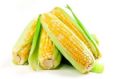
  5. Sweet Corn
  6. Eggplant
  7. Grapefruit
  8. Kiwi
  9. Mango
  10. Mushrooms
  11. Onions
  12. Papaya
  13. Pineapple
  14. Sweet Peas (Frozen)
  15. Sweet Potatoes
For future reference, here's a handy graphic. (Share it or Pin it for later!)


When eating conventional foods, be certain to peel away edible skins and outer leaves (such as those on lettuce) as pesticides are often concentrated there. Remember to wash all produce (conventional and organic) thoroughly with a natural fruit and vegetable cleanser. Peeling and washing can help reduce (not eliminate) pesticide exposure, but also results in the loss of valuable vitamins and nutrients (like fiber). When you have the choice between an organic item and one that’s conventionally grown, choose organic as much as possible. To see EWG's complete study results, and the rankings of 43 different produce items, visit their website, www.FoodNews.org.
Click here to to redeem your SparkPoints
  You will earn 3 SparkPoints
Page 1 of 1   Return to main nutrition page »

Related Content


About The Author

Leanne Beattie Leanne Beattie
A freelance writer, marketing consultant and life coach, Leanne often writes about health and nutrition. See all of Leanne's articles.

Member Comments

  • Is there any actual REAL science behind all the scare stuff I am reading.
    Until and unless there is, I am going to keep those precious pennies in 6ball's pocket. - 5/21/2013 9:07:47 AM
  • SIMONEFRAME
    There is also a great app called Makeena that is going to finally make it easier to afford natural, organic foods in stores like Whole Foods. they're not launched yet, but when they are, the app will be free. It's going to be such a relief to not have to break my bank every time I want good food. They have a video here: www.crowdfunder.c
    om/campaign/393. - 5/16/2013 12:42:18 PM
  • AZURE-SKY
    Read up on what it really means to be certified organic. In the US, a farm or orchard has to only stop using chemical pesticides, herbicides, and insecticides for 3 years to become certified organic. However, the trees in the orchards may be over 50 years old, accumulating the chemicals used for all those years. Since we don't know what pesticides or herbicides were used during that time, or how long they last in the trees & soil, even buying organic produce may mean you're getting the residue of those older pesticides.

    For example, DDT, formerly used as an insectide, but banned in the 1970s in the US, has a half life of around 30 years, but has still been found in human blood tests performed by the CDC in 2005. It causes thinning of bird egg shells, and has been cited as a cause for shrinking populations of wild birds in the US. Even in 2010, more than 40 years after the U.S. ban, California condors which feed on sea lions at Big Sur which in turn feed in the Palos Verdes Shelf area of the Montrose Chemical Superfund site seemed to be having continued thin-shell problems. So, it appears to work its way up through the food chain.

    In the US, federal legislation defines three levels of organic foods.

    Products made entirely with certified organic ingredients and methods can be labeled "100% organic," while only products with at least 95% organic ingredients may be labeled "organic." Both of these categories may also display the USDA Organic seal. A third category, containing a minimum of 70% organic ingredients, can be labeled "made with organic ingredients," but may not display the USDA Organic seal. In addition, products may also display the logo of the certification body that approved them.

    Also, small farmers, selling less than $5,000 a year, do not have to apply for organic certification, although they still have to keep records and may be subject to audits. - 4/9/2013 3:46:42 PM
  • You MUST buy organic corn as external pesticides aren't the issue, they are now internal thanks to GMO's. 98% of all corn is now GMO in which they engineered the pesticide in its dna. When it enters our gut and intestines, it perforates them and undigested foods enter the body thru the intestines, creating food allergies and other ailments. As far as organic on a budget, i've been shopping online lately at greenpolkadotbox , their prices are amazing and shipping is free with orders over a certain amount. - 4/8/2013 11:31:19 AM
  • Starting a juice cleanse and raw food diet in the next few days. I will have to be buying organic a lot--this article definitely helped! Thanks! - 4/8/2013 10:26:25 AM
  • I get all my organic veges fruits and meat dairy from door to door organics - it's online and I get a box for $23 and it's delivered right to my door - and NO, i don't work for them! It's affordable, and good for me, yay! - 4/4/2013 1:05:19 PM
  • Another person commented on this, but the ability to comparison shop is somewhat limited. I live in a moderately sized town, but we only have one place to buy organic produce when the farmers market is out of season. And boy is it expensive. The farmer's market is worse. There are stores about 30 miles away in a bigger city, but we rarely have enough gas to go up there more than every couple of months.

    Some of the other suggestions are great. I look for sales, and sometimes you can get a good deal. I've recently started growing my own veggies, which should be ready in a month or two. - 4/4/2013 10:25:18 AM
  • I guess I got lucky there that most of the stuff I buy is "don't worry, buy conventional." Having said that, locally grown stuff is so much more delicious that I'm trying to grow some of my own produce. I wish I had enough space to make myself sustainable, but whatever.

    I have started buying my meat from local farmers so I can eat grass-fed beef, pasture chickens and eggs, and humane pork. It is cheapest to get that meat directly from the farmer, but even then it's still kinda pricey, so I buy bulk meats, non-premium cuts, and some organs and just eat less of all of it.

    Yeah, I just made some chicken livers, and those are not only delicious, I broiled them with some seasonings, and they're going to make me lunches for less than $1 per meal. It's not an every day thing, but it does help cut down costs. - 6/27/2012 11:47:42 AM
  • If you want to be truly organic grow your own! Most of the produce mentioned with high pestacides are easily grown in small backyard gardens.
    - 6/27/2012 6:32:28 AM
  • GLYCEMIC
    I believe it is much better to purchase organic foods as well. However, there is no guarantee that a farm is truly providing organic produce. For example, a person I know worked on a farm and they put the same produce (potatoes) in the non-organic and organic boxes. Apparently, the farm would make more money using pesticides on everything to have a greater cash crop. So, apparently, a farm can be certified as organic, but there isn't someone there all the time to guarantee that the product IS organic. Then, the consumer is paying more for a pesticide laden product. I wonder how great the "checks and balances" are now on organics. - 6/26/2012 11:28:50 AM
  • Imported grapes as opposed to domestic grapes? does that mean you can buy non-organic grapes if they are domestic? - 6/26/2012 9:27:42 AM
  • GARRIE1
    Good article...not the "bible" of organics, but it's a start. This article is just a guideline and not hard and fast rules and advice for every area of the country. Be vigilant, do your homework, and start asking your local grocer for more organic foods. Eventually, they will start to offer more if they don't already. I read a suggestion in another article that said to ask the vendors in your local farmer's market if their produce is organic. Sometimes it's not! If you're concerned about pesticides and fertilizers and other chemicals in your food, you just learn to ask. As the article states, awareness brings change. - 6/26/2012 9:02:06 AM
  • NYC East Village price comparisons:
    I used to get good sales at Commodities (165 First Ave.) and the 4th Street Food Co-op (58 East 4th Str.)
    - 6/26/2012 6:50:56 AM
  • Can someone clue me in as to why oranges aren't on the conventional list? - 6/26/2012 3:57:34 AM
  • In some places it's just not feasible or even possible to comparison shop for food. Organic food is available here in NYC (I'm in Manhattan), but going from store to store is unreasonable. They are scatttered all around the island and we (most of "we") don't have cars to make an easy go of it. Further, some of the best-quality, depending on how good the growing-year of the moment, fresh food is available at the Greenmarkets, a program of the city's parks dept. Prices are considerably higher for organic and non-organic, though.

    We have Whole Foods stores, but their prices are very high, too. Trader Joe's prices are, of course, much better, but quality is a problem. You can't work up a lather over Manhattan supermarkets, either.

    Anyone in the city? If you know of good sources with reasonable prices, especially in proximity to the EV and Columbus Circle. - 12/4/2011 2:28:00 PM